
Let’s talk business that smells like fish but pays like gold. If you’ve ever walked through a local market, you’ve seen it, trays of fish turning bad under the sun, meat dripping on wooden tables, vegetables wilting before midday. Sellers lose thousands daily because of poor storage. It’s not new, it’s just ignored. And where others see loss, you should see opportunity.
Now listen, portable cold storage isn’t about owning a massive cold room or investing millions. It’s about bringing cold where it’s needed most, to the market stalls, street vendors, small distributors, and fish sellers who can’t afford or access large-scale storage. The demand is huge, the supply is weak, and the margins are beautiful.
Why It’s Exploding Right Now
Power problems aren’t going away soon. Even with promises from governments and investors, electricity remains unreliable in most markets and semi-urban areas. That’s your leverage. People want cold storage that doesn’t depend on NEPA.
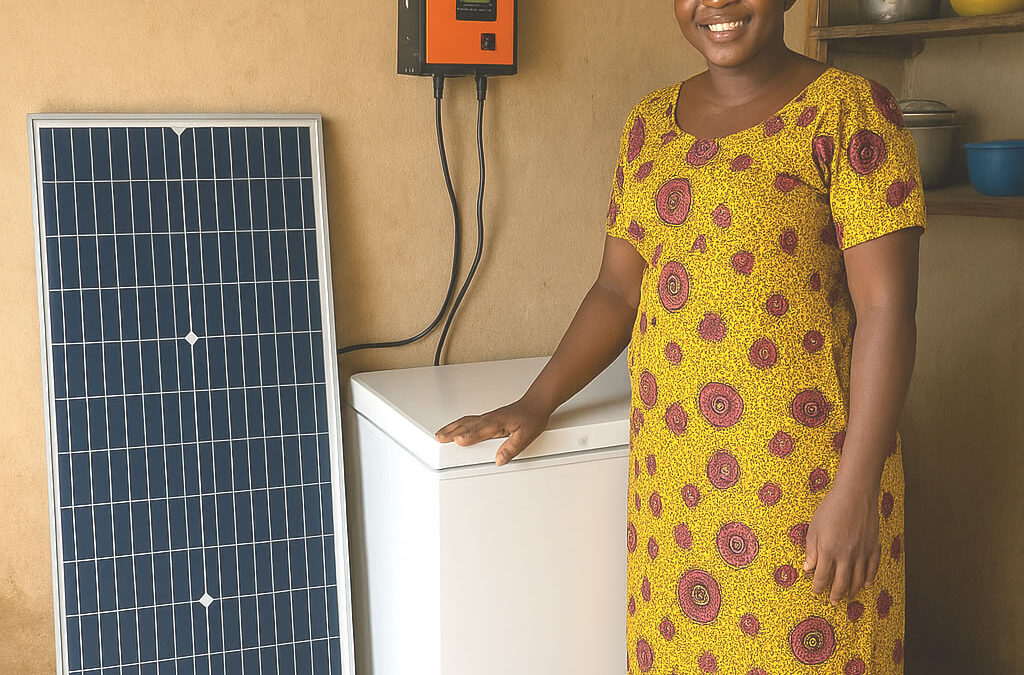
Solar-powered freezers and insulated cold boxes are now cheaper and smarter. Some can run 12–24 hours without light, using built-in batteries or hybrid generator backup. There are brands now offering pay-as-you-go solar cold units, meaning you don’t have to buy all at once. That’s how you enter this game without breaking your back.
Looking for reliable solar-powered freezers and cold boxes to start your business? Shop affordable options on Konga or browse solar deals on Temu through my affiliate links. They offer trusted brands with flexible prices for small entrepreneurs
Food wastage in Nigeria is estimated to be over 40% of total production, according to several agri-reports. Think about that. Almost half of the food harvested spoils before it reaches consumers. Fish, poultry, tomatoes, fruits, all need temperature control. Every time something spoils, somebody loses money. Portable cold storage is the plug that stops that leak.
How to Start, Step by Step
Forget theory. Let’s talk real moves.
Step 1: Choose Your Model.
Two models work well, rental and direct sales.
- Rental model: You buy solar-powered freezers or insulated cold boxes and rent space by day or week to traders in major markets. You earn daily, and the equipment pays for itself fast.
- Direct sales model: You use the freezer to store your own fish, meat, or drinks for resale. You become your own distributor and can move between markets.
If your capital is small, start with the rental model. It’s faster to recoup.
Step 2: Start Small but Visible.
You don’t need 10 freezers. Start with one or two high-quality solar or hybrid freezers. Place them in a busy market with fish or poultry sellers. Talk directly to the women selling. Offer to rent slots, ₦1,000 per day per user. That’s what they’d rather pay than lose ₦5,000 worth of stock.
Step 3: Build Trust.
Trust is the oxygen of this business. Market sellers are practical people. If your freezer fails once, your name is gone. Maintain your units religiously. Clean them. Check solar panels. Keep a generator as backup. Let traders see you’re serious and dependable. Once they trust you, word spreads faster than any advert.
Step 4: Secure Power Flexibility.
Nigeria’s power system can embarrass you at any time. Hybrid is the key. Use solar during the day, generator at night if necessary. Some entrepreneurs also use phase-changing materials (PCM), gel packs that store cold for up to 48 hours without light. Combine that with good insulation and you’re unshakable.
The Numbers That Make Sense
Let’s break it down like we’re doing the math on a bench.
- Startup cost: ₦300,000 to ₦450,000 for one solid solar-powered freezer. Add ₦60,000–₦250,000 for solar panels or generator backup.
- Daily rental: 20 slots at ₦1,000 each = ₦20,000 per day.
- Monthly revenue: ₦20,000 × 30 days = ₦600,000.
- Running costs: Diesel or maintenance ≈ ₦100,000–₦120,000 monthly.
- Profit margin: Roughly ₦400,000+ a month per freezer.
That’s just one unit. Multiply by two or three units in different markets, and you’re quietly building a steady six-figure income with real impact.
How to Scale Without Stress
Once you’ve tested one location successfully, don’t rush expansion blindly. Here’s the playbook:
- Document your operations. Keep record of daily renters, payments, breakdown frequency, and power hours. This data helps you secure microloans or investors later.
- Partner with fish or meat associations. They’ll help you reach bulk users faster. You can offer discounts for consistent renters.
- Go semi-mobile. Some operators now mount solar cold boxes on tricycles. They move between markets, providing cooling on demand. That’s mobility plus profit.
- Brand your boxes. Add stickers with your business name and WhatsApp contact. Visibility builds credibility.
Before you scale beyond one market, build a simple website or landing page to make your business visible online. Market sellers, event organizers, and NGOs now check the web first before reaching out. With Truehost, you can launch a professional business site fast — domain, hosting, and email setup included. Get started with Truehost here and put your cold storage business on the digital map
Market Trend You Should Watch
Investors are already eyeing this space. NGOs and agritech startups are partnering to deploy solar cold chains across Africa. Some even sponsor pilot entrepreneurs. If you position yourself early, you’ll be the local operator they’ll want to work with.
Also, smart manufacturers now offer leasing programs, meaning you can get a unit and pay gradually as your business earns. That’s how small entrepreneurs are entering the game without huge cash upfront.
The cold chain market in Nigeria is projected to grow massively through 2030 because of food exports, e-commerce groceries, and rising demand for frozen proteins. The smart move is to position now while competition is still thin at the grassroots.
Why It Works
Because people will always eat.
Because fish will always spoil without cold.
Because NEPA will always disappoint.
Portable cold storage solves a daily pain. And every business that solves pain gets paid, consistently. The trick is reliability, location, and relationship. Build those three, and you won’t need to beg anyone to buy.
This is Just the Sum
Portable cold storage is not just another “side hustle.” It’s a survival bridge between waste and wealth. The entry cost may look high, but the payoff is fast and steady. Think of it as owning a money machine that serves real people with real need.
If you’re ready to test it, start with one freezer, one market, one group of sellers. Perfect your system there. Once it runs smooth, multiply it. Before long, you’ll realize what others call “small hustle” can quietly build a full-scale, dependable income stream.
So, what’s stopping you, light, or the fear to start
Every serious business needs visibility. Whether you’re renting solar cold boxes or supplying frozen goods, an online page builds trust and attracts partners.
Launch your business site on Truehost — affordable, fast, and built for Nigerian entrepreneurs who mean business
____________________________________________________________________________________________
TOP PICK RESOURCE FOR YOU
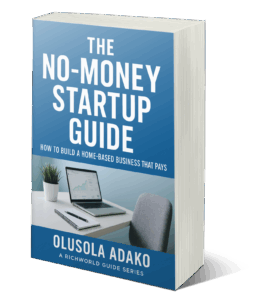
If you are tech person, here is a great ebook (pdf) that will teach you step by step on how to start your own business with no money. All you need is strong desire and a laptop with internet connection. You may like this. You can get it here.
CONNECT TO TOP-RATED SOLUTION FOR YOUR PERSONAL NEEDS
Explore My Top-Rated Resources | Explore Exclusive Travel & Hotel Deals
Discover Health & Wellness Essentials____________________________________________________________________________________________
Disclosure: This page contains affiliate links. If you make a purchase through these links, I may earn a small commission at no extra cost to you
____________________________________________________________________________________________